
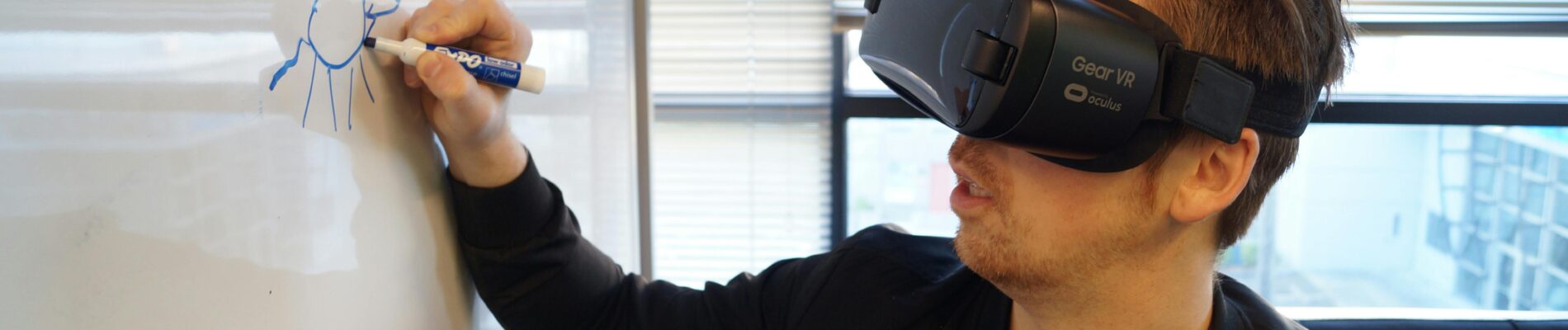
VR Behavioral Therapy: Revolutionary Mental Health Treatment
When Reality Isn’t Quiet Enough
When the mind revolts, wouldn’t it be something to step into a world that heals—softly, precisely, powerfully? Moreover, imagine a therapeutic space where your deepest fears can be confronted safely, where trauma can be processed without re-traumatization, and where VR behavioral therapy creates healing within carefully crafted digital sanctuaries.
VR behavioral therapy represents a revolutionary leap forward in mental health treatment. Furthermore, this innovative approach invites us into the future of therapy, where virtual worlds become tender bridges to healing.
As a result, mental health professionals and clients alike are discovering that sometimes the most profound healing happens when we step outside traditional reality altogether.
How VR Therapy Works: Safe, Immersive, Effective
Virtual reality creates immersive, controlled environments that feel so realistic as to evoke genuine emotional and physiological responses. However, these digital spaces remain completely safe, allowing individuals to confront challenges without real-world consequences.
The magic of VR behavioral therapy lies in its ability to create what researchers call “presence”—that feeling of truly being somewhere else. For instance, a person with social anxiety can practice public speaking in a virtual auditorium filled with digital audience members, experiencing authentic nervousness while knowing they’re completely secure.
Exposure therapy through VR helps people face phobias, social fears, PTSD, and various anxiety disorders within these protected digital spaces. Additionally, research published in peer-reviewed journals demonstrates that VR-enhanced cognitive behavioral therapy (VR-CBT) shows comparable—and sometimes superior—results to traditional CBT for treating anxiety, depression, and even delusional symptoms.
“Virtual reality therapy allows us to bring the outside world inside the therapy room in a controlled, safe way. It’s like having a laboratory for the mind.” – Dr. Skip Rizzo, Director of Medical Virtual Reality, USC Institute for Creative Technologies
Expanding Applications: PTSD, Addiction, Pain, and More
PTSD & Trauma Recovery Through VR Behavioral Therapy
Virtual Reality Exposure Therapy (VRET) creates multi-sensory, controlled environments for revisiting traumatic experiences safely. Consequently, individuals can process trauma at their own pace while maintaining complete control over the experience.
Research indicates that VRET provides relief that lasts for months beyond treatment completion. Veterans participating in VR-based PTSD treatment show significant symptom reduction after just a few sessions compared to traditional talk therapy approaches.
Addiction & Cravings Management
VR cue-reactivity therapy enables real-time simulation of addiction triggers within safe environments. For example, individuals recovering from alcohol dependency can experience virtual bar scenarios while practicing coping strategies.
This approach allows therapists to observe and address cravings as they arise naturally. Moreover, clients develop confidence in their ability to handle real-world triggers before encountering them outside treatment.
Anxiety, Depression & Mindfulness Enhancement
VR behavioral therapy significantly enhances mindfulness practices, relaxation techniques, and social confidence building. In addition, immersive environments can transport individuals to calming natural settings, guided meditation spaces, or social scenarios for confidence practice.
Studies show that VR-based mindfulness sessions produce measurable improvements in stress hormone levels. Furthermore, these virtual experiences often prove more engaging than traditional meditation practices, especially for younger clients.
Autism & Social Skills Development
Virtual scenarios provide safe spaces for practicing social cues and emotional recognition. Children and adults with autism spectrum disorders can rehearse conversations, interpret facial expressions, and navigate social situations without real-world pressure.
Research published in Frontiers in Virtual Reality demonstrates that VR social skills training shows sustained improvements that transfer effectively to real-world interactions.
Chronic Pain & Physical Rehabilitation
Immersive VR experiences help distract from chronic pain while supporting motor skill recovery, particularly beneficial for post-stroke rehabilitation. Consequently, patients can engage in therapeutic activities within engaging virtual environments rather than sterile medical settings.
Pain levels decrease significantly during VR sessions, allowing for more intensive rehabilitation work. Additionally, the gamification aspects of VR therapy increase patient motivation and treatment adherence.
Self-Guided Anxiety Tools
Emerging VR applications allow users to address specific phobias or public speaking fears independently. These tools provide structured exposure experiences with built-in safety mechanisms and progress tracking.
Early adoption rates remain high, with users reporting positive experiences and maintained safety throughout self-guided sessions. However, professional oversight remains crucial for complex mental health conditions.
AI & Avatars: Smarter, Personalized Healing
Adaptive Therapy Through Artificial Intelligence
VR behavioral therapy enriched by artificial intelligence can adapt sessions in real-time, analyzing physiological data and tailoring experiences dynamically. For instance, if a client’s heart rate indicates excessive stress, the AI can automatically adjust the virtual environment’s intensity.
This technological integration creates truly personalized therapy experiences. Moreover, research in adaptive VR therapy shows improved treatment outcomes when AI algorithms customize exposure levels based on individual responses.
Avatar-Based Support Platforms
Innovative platforms use avatars to teach cognitive behavioral therapy (CBT) and dialectical behavior therapy (DBT) skills while offering peer support opportunities. These virtual representations make therapy feel more accessible and protective, especially for individuals who struggle with traditional face-to-face interactions.
Clients can interact with therapist avatars or participate in group sessions without revealing their real-world identities. As a result, many individuals feel more comfortable sharing sensitive information and actively engaging in treatment.
Telepsychiatry and VR: Mental Health Anywhere
VR behavioral therapy breaks down traditional barriers to mental health care by bringing immersive treatment experiences directly into clients’ homes. This accessibility proves especially valuable for individuals in remote areas or those with mobility limitations.
Furthermore, the technology eliminates travel time and reduces scheduling conflicts that often interfere with consistent therapy attendance. Clients can access high-quality VR behavioral therapy sessions from anywhere with internet connectivity.
Research in telepsychiatry applications demonstrates that remote VR therapy sessions maintain therapeutic effectiveness while significantly improving treatment accessibility for marginalized populations.
Clinical Insights: Veterans, Art, Autism, and Disabilities
Breakthrough PTSD Treatment for Veterans
A groundbreaking study combining VR exposure therapy with targeted brain stimulation achieved remarkable results. Veterans experienced symptom reduction equivalent to months of traditional therapy in just two weeks of VR behavioral therapy treatment.
This research represents a significant breakthrough for military personnel struggling with combat-related PTSD. Additionally, the accelerated timeline offers hope for reducing treatment duration while maintaining long-term effectiveness.
VR Art Therapy Innovations
Creative virtual environments offer unique stress relief and expressive outlets through digital art creation. Clients can paint, sculpt, and create in impossible spaces, free from physical material limitations or artistic skill concerns.
Preliminary results show significant stress reduction and emotional expression benefits. Moreover, the digital nature of VR art therapy allows for easy sharing and collaborative creation between therapist and client.
Supporting Intellectual Disabilities Through VR
Task-based VR games demonstrate that children with intellectual disabilities can acquire essential life skills with effective transfer to real-world challenges. These immersive experiences provide safe practice environments for activities like grocery shopping, job interviews, or public transportation navigation.
The repetitive, customizable nature of VR training allows for individualized learning paces. Consequently, each child can master skills gradually before applying them in real-world situations.
Real-Time Physiological Monitoring for Autism
Combining VR behavioral therapy with biosensor technology creates feedback-informed, socially interactive experiences tailored specifically to autism spectrum needs. Heart rate, skin conductance, and eye-tracking data provide real-time insights into emotional responses during virtual social interactions.
This data-driven approach allows therapists to identify optimal challenge levels and recognize emotional overwhelm before it becomes distressing. Furthermore, objective physiological measurements complement subjective self-reporting, providing comprehensive treatment insights.
Strengths and Barriers of VR Therapy
Remarkable Benefits of VR Behavioral Therapy
- Complete Safety: Clients can face fears without real-world consequences or physical danger
- Infinite Customization: Virtual environments adapt precisely to individual therapeutic needs
- Enhanced Engagement: Immersive experiences maintain attention better than traditional talk therapy
- Objective Measurement: Physiological responses provide quantifiable treatment progress data
- Accessibility: Geographic barriers dissolve through remote VR therapy delivery
- Cost-Effectiveness: One VR system supports multiple therapy modalities and client needs
Current Implementation Challenges
- Equipment Costs: High-quality VR systems require significant initial investment
- Cybersickness: Some individuals experience motion sickness or disorientation
- Training Requirements: Mental health professionals need specialized VR therapy education
- Data Privacy Concerns: Biometric and behavioral data collection raises security questions
- Limited Long-Term Research: More studies needed to establish sustained effectiveness
- Technology Barriers: Some clients struggle with VR headset operation or feel intimidated by technology
Overcoming Implementation Obstacles
Mental health practices can address these challenges through gradual implementation strategies. For instance, starting with simple VR relaxation applications builds both client and therapist confidence before advancing to complex exposure therapy protocols.
Additionally, partnering with technology vendors often provides training support and reduces initial costs. Many VR therapy platforms offer comprehensive onboarding programs specifically designed for mental health professionals.
The Future of Behavioral Health: Virtual, Vital, Human
VR behavioral therapy isn’t fantasy—it’s quietly becoming real, expanding compassionate care possibilities, and transforming how we approach mental health treatment. Each headset, avatar, and virtual scenario represents a gentle step toward greater accessibility, emotional safety, and innovative healing approaches.
As technology continues to advance, we can expect even more sophisticated therapeutic applications. Furthermore, the integration of artificial intelligence, haptic feedback, and biometric monitoring will create increasingly personalized treatment experiences.
However, the human element remains central to effective VR behavioral therapy. Technology enhances but never replaces the therapeutic relationship between clinician and client. Instead, VR provides powerful tools that amplify human connection and understanding.
Taking the Next Step
For individuals considering VR behavioral therapy, the journey begins with finding qualified professionals who integrate these innovative approaches thoughtfully. At Avid Counseling Services, we stay current with emerging therapeutic technologies while maintaining our commitment to evidence-based, compassionate care.
Whether you’re struggling with anxiety, trauma, addiction, or other mental health challenges, VR behavioral therapy might offer the breakthrough approach you’ve been seeking. The future of mental health treatment is here, and it’s more hopeful than ever.
Frequently Asked Questions
Is VR behavioral therapy safe for everyone?
VR behavioral therapy is generally safe for most individuals. However, people with certain medical conditions, like severe motion sickness, epilepsy, or specific heart conditions, should consult healthcare providers before beginning treatment. Additionally, qualified therapists always conduct thorough assessments before recommending VR interventions.
How effective is VR behavioral therapy compared to traditional methods?
Research consistently shows VR behavioral therapy produces comparable or superior results to traditional therapy approaches for many conditions. Studies indicate particularly strong effectiveness for phobias, PTSD, anxiety disorders, and social skills training. Moreover, treatment benefits often appear more quickly than with conventional therapy methods.
What should I expect during my first VR behavioral therapy session?
Your first session typically includes orientation to the VR equipment, comfort assessment, and gradual introduction to virtual environments. Therapists ensure you feel completely comfortable before beginning therapeutic activities. Furthermore, sessions always remain under your control—you can remove the headset anytime you feel uncomfortable.
Does insurance cover VR behavioral therapy treatments?
Insurance coverage for VR behavioral therapy varies by provider and specific treatment applications. Many insurers cover VR therapy when used for evidence-based treatments like exposure therapy for PTSD or phobias. Additionally, coverage often depends on whether the treatment is provided by licensed mental health professionals in accredited facilities.
Can children safely participate in VR behavioral therapy?
VR behavioral therapy can be highly effective for children, particularly those with autism, anxiety, or social skills challenges. However, age-appropriate protocols and shorter session durations are essential. Furthermore, parental involvement and specialized pediatric training ensure safe, effective treatment for young clients.
Ready to explore innovative mental health treatment options? Contact Avid Counseling Services at +1 541-524-4100 or visit avidcounseling.org to learn how VR behavioral therapy might benefit your healing journey. Located in Oregon, we’re committed to providing cutting-edge, evidence-based mental health care that meets you wherever you are in your recovery process.